From Kirovakan to Vanadzor
A city's transformation through triumph and tragedy
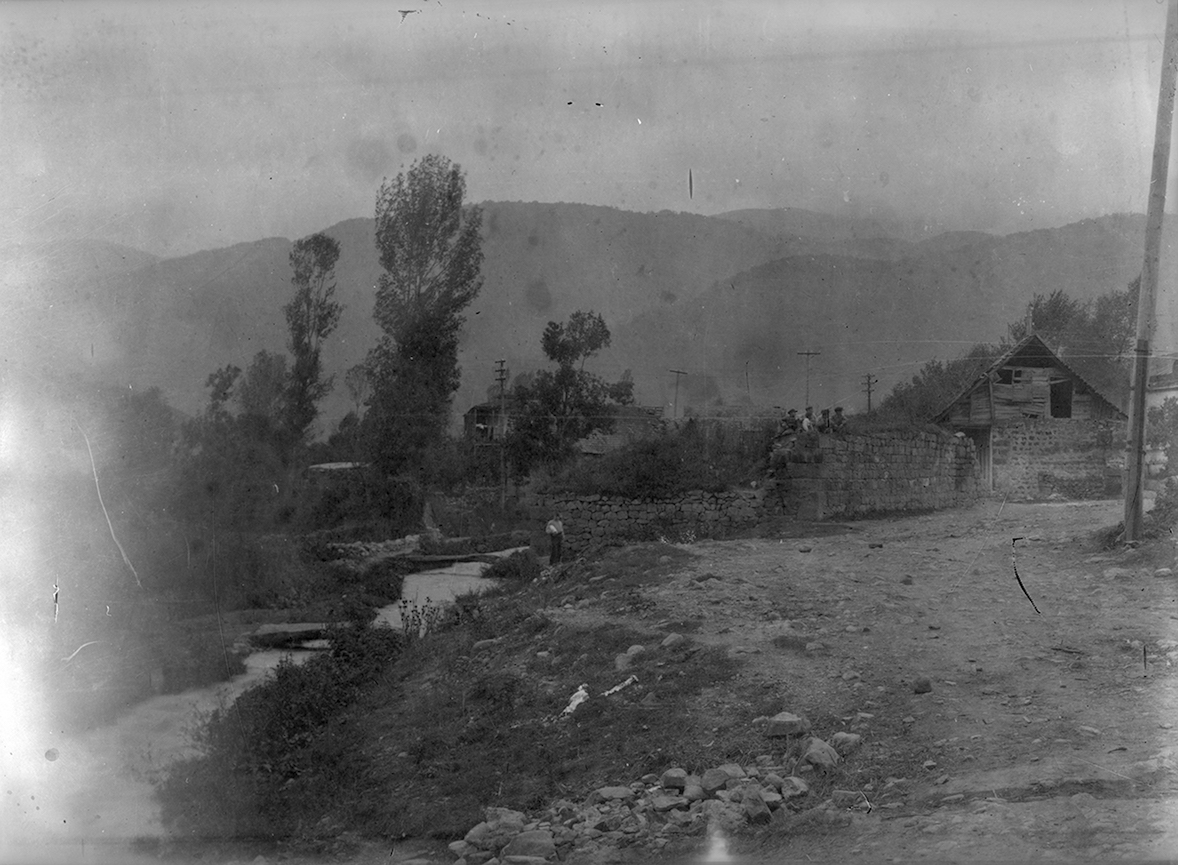
Rural Vanadzor in the 1930s
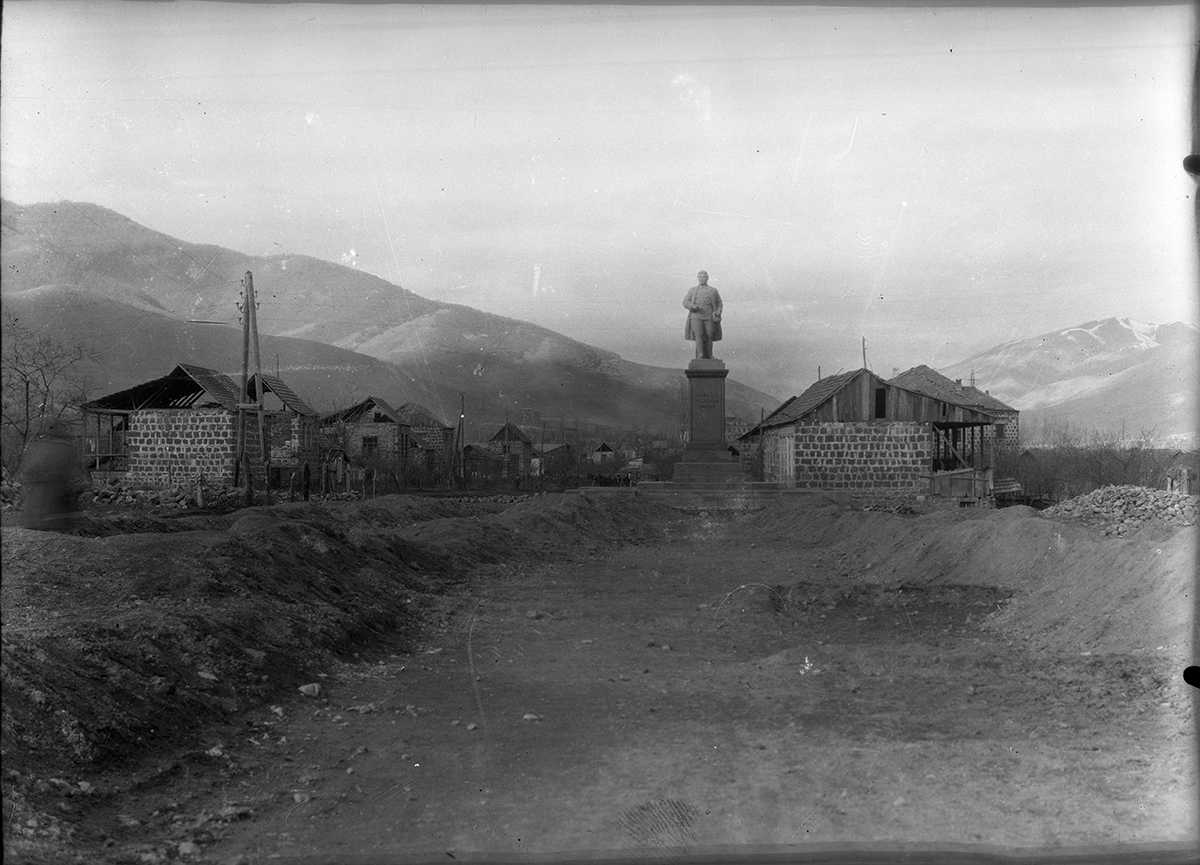
Town center with Lenin statue
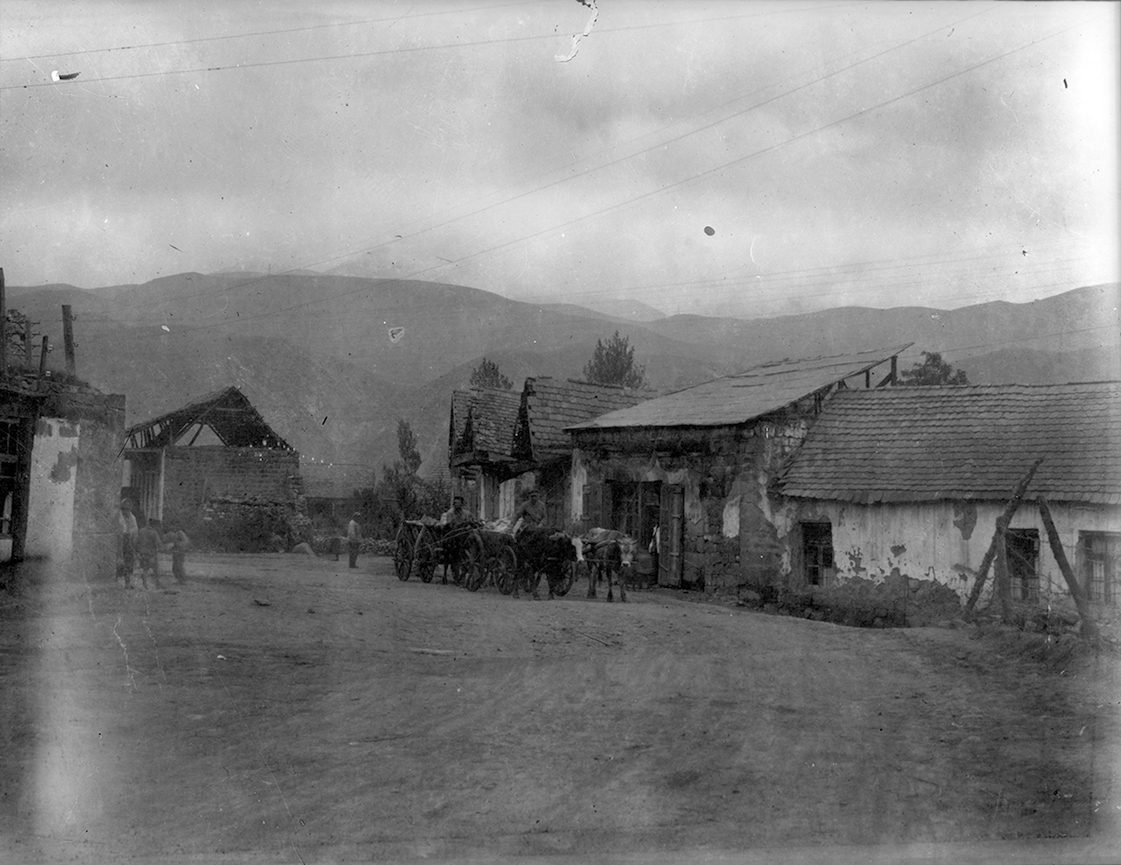
Traditional street life
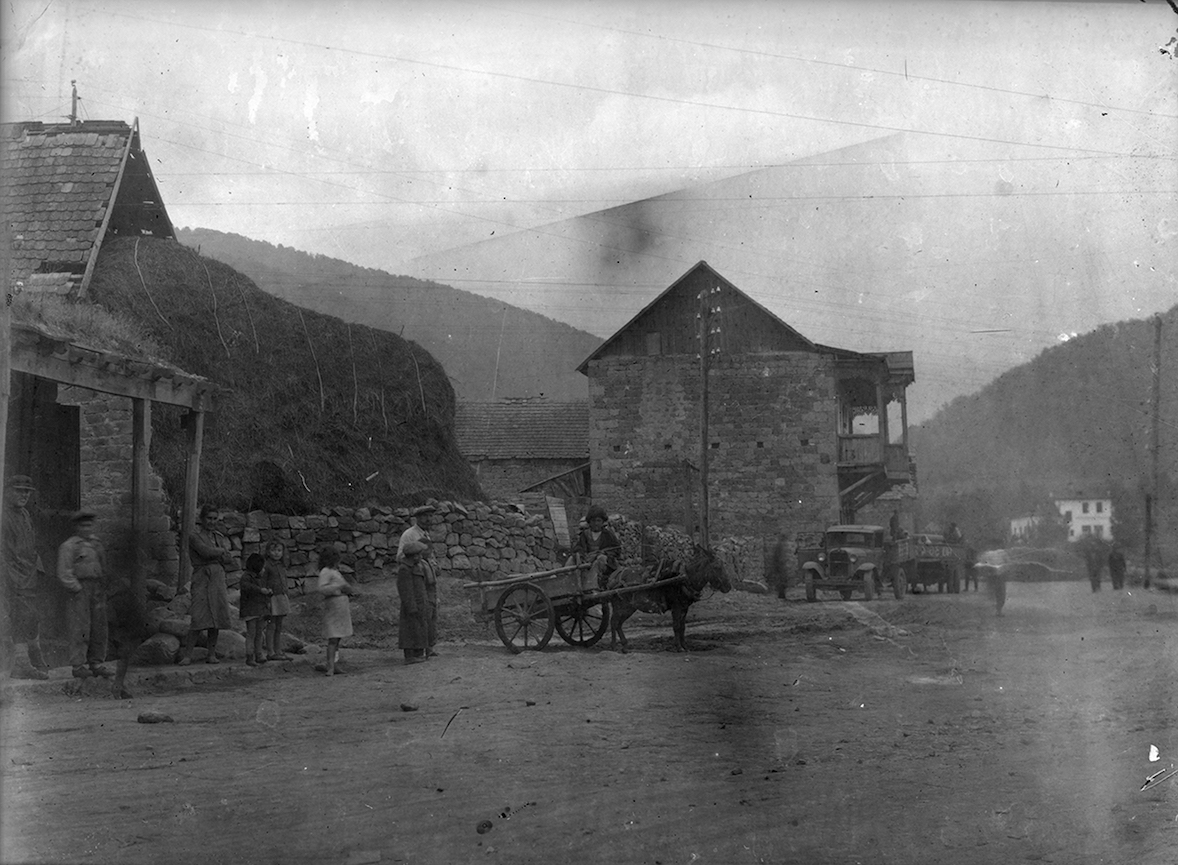
Traditional architecture
The 1988 Earthquake and Its Impact
When the 1988 earthquake hit the city of Kirovakan (present-day Vanadzor)—Soviet Armenia's third largest urban center—it destroyed not only hundreds of lives, numerous buildings and infrastructures. The quake also wiped out countless precious memories preserved in the apartments, backyards, communities, collective rituals and customs of this venerable city.
In just a flash, the entire industrial sector, which drove Kirovakan's complex social ecosystem, collapsed into a pile of melancholic ruins. For later generations these fragments of a once vibrant cultural and industrial center could only come alive in and through oral histories and photographs.
Hamo Kharatyan's Photography Studio
One of the most significant of these collections was held by the city's first official photography studio established by Hamo Kharatyan around 1934. The apartment building where the studio was located was seriously damaged in 1988 and a flood from the burst piping destroyed Kharatyan's negative archive assembled during the five decades of his practice.
The only remnant of the photographer's extensive output – aside from portraits surviving in the family albums of Vanadzor's residents – was a roll of large-format cellulose-based negatives that has been preserved by Kharatyan's heirs as a family heirloom.
A Photographer's Journey
Kharatyan's own journey to Vanadzor was full of twists and turns. Fleeing the increasingly intolerant, anti-Armenian atmosphere of Sultan Abdül-Hamid's Ottoman Empire, his family had arrived here from Erzrum in 1887, after a temporary stay in Tiflis. At the time of his birth in 1904, the place was just a cluster of small houses, farms and holiday residencies.
Standing at a distance, Kharatyan used his large-format camera to photograph expansive scenes that are topographical in nature. These images cautiously slide towards objective observation – capturing the reality of 1930s Armenia that Soviet propaganda tried to veil.
What makes these images so piercing is their function as an act of subjective memorialization that weaves a personal narrative of time and place on the margins of official histories.
Before the Earthquake
Kirovakan was Soviet Armenia's third-largest city and a major industrial center with a rich cultural life.
December 7, 1988
A devastating earthquake destroyed much of the city's infrastructure and countless historical archives.
Reconstruction
The city was rebuilt and renamed Vanadzor, preserving its history while looking toward the future.