History & Heritage
Journey through Vanadzor's rich historical legacy and cultural evolution
Historical Timeline
Ancient Times
Early settlements established by Armenian tribes drawn to fertile valleys and strategic mountain location.
Foundation of Armenian presence in the Lori region
Russian Imperial Era
The region came under Russian rule, bringing new administrative structures and trade networks.
Integration into Russian Empire and early modernization
Soviet Transformation
Known as Kirovakan, the city became a major industrial center with impressive architecture.
Industrial development and architectural legacy
Modern Armenia
Renamed Vanadzor after independence, transformed into a green, sustainable community.
Sustainable development and cultural preservation
From Kirovakan to Vanadzor
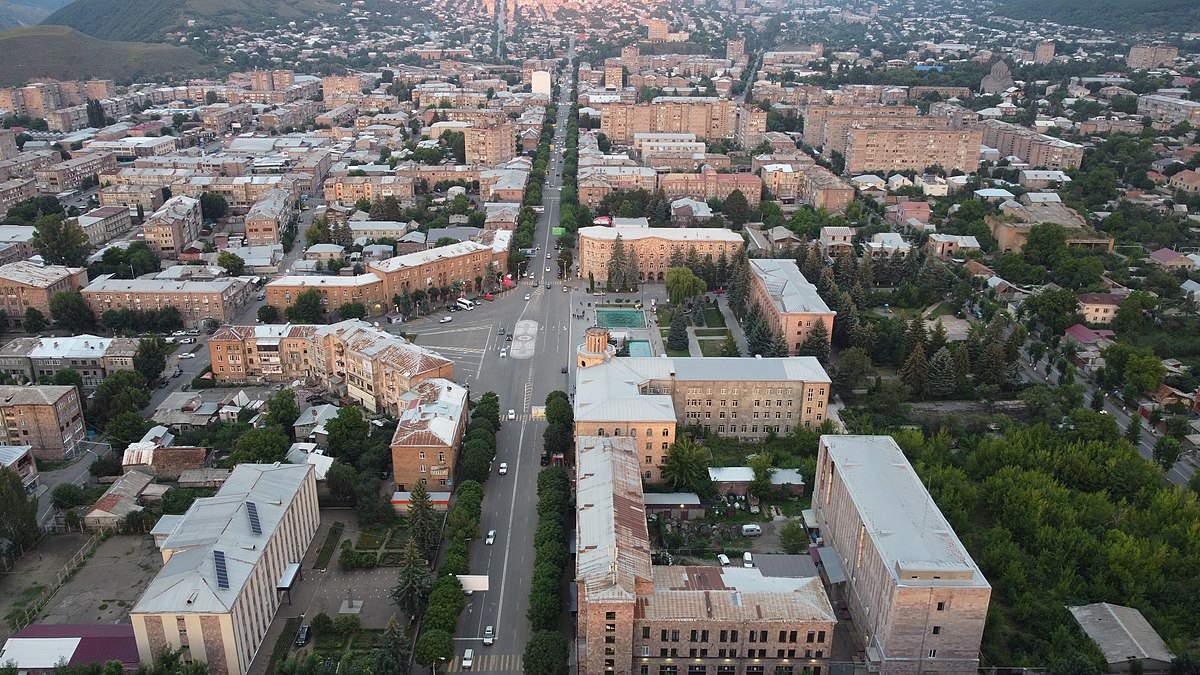
Originally a small settlement, the city grew significantly during the Soviet era as Kirovakan — Armenia's third-largest urban center and a major industrial hub.
The Soviet period brought wide boulevards, public buildings, and residential complexes. The distinctive pink stone architecture became a hallmark of the city.
After independence in 1991, renamed Vanadzor, reflecting Armenian heritage and cultural identity.
Architectural Heritage
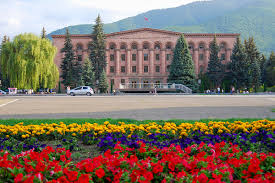
Vanadzor's architecture tells the story of its evolution through different historical periods with a unique blend of Armenian building techniques and Soviet urban planning.
The extensive use of local pink Armenian stone gives the city its distinctive appearance.
Wide, tree-lined boulevards and spacious public squares contribute to Vanadzor's reputation as a "green city."
Cultural Legacy & Modern Identity
Regional Capital
Administrative, cultural, and economic center of northern Armenia.
Educational Hub
Important educational institutions training generations of professionals.
Green Innovation
Leading sustainable urban development and eco-friendly tourism.